The South African rand (ZAR) plays a unique role in the forex market. Known for its volatility and liquidity, the rand attracts both seasoned traders and those looking to diversify beyond major currency pairs. Understanding how the ZAR behaves against the U.S. dollar and other global currencies is essential for anyone looking to trade it effectively.
This guide explores the fundamentals of the rand currency, the dynamics of trading USD/ZAR, and what makes this pair an intriguing opportunity for forex traders.
What Is the South African Rand (ZAR)?
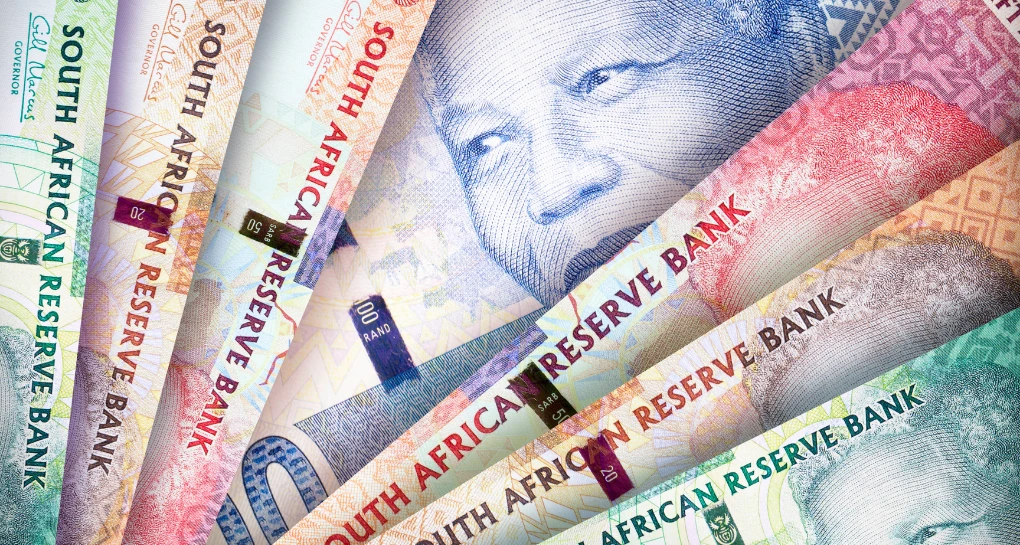
The South African rand, abbreviated as ZAR (from the Dutch Zuid-Afrikaanse Rand), is the official currency of South Africa. It’s divided into 100 cents and symbolized as “R.”
The rand serves as one of Africa’s most traded currencies and is used not only in South Africa but also in neighboring nations through regional agreements. Its value often reflects broader trends in emerging markets and commodities such as gold and platinum — sectors central to South Africa’s economy.
Understanding the South African Rand (ZAR)
The ZAR currency is classified as an emerging market currency, meaning it’s more sensitive to global economic shifts and investor sentiment. Traders are drawn to it because of its price fluctuations and the potential for strong risk–reward opportunities.
Several factors drive the rand’s performance:
- Commodity Prices: South Africa’s economy is resource-driven, so metals like gold and platinum influence the ZAR’s movement.
- U.S. Dollar Strength: Since many global commodities are priced in USD, fluctuations in the dollar directly affect the USD/ZAR pair.
- Market Risk Appetite: When global investors seek higher yields, emerging market currencies like the rand tend to gain value.
- Political and Economic Developments: Local fiscal policies, growth data, and stability indicators play key roles in investor confidence.
Trading the U.S. Dollar vs. the Rand
The USD/ZAR pair is one of the most traded African currency pairs in the global forex market. It measures how many South African rands are needed to buy one U.S. dollar.
Because the rand is more volatile than major currencies, traders often use it to capitalize on larger price movements — provided they apply strict risk management.
Here’s what makes forex USD/ZAR trading distinct:
- Higher Volatility: Movements can be sharp, creating both risks and opportunities.
- Attractive Spreads: Many brokers, including FXPrimus, offer competitive spreads on USD/ZAR to support active traders.
- Influence of Global Events: U.S. interest rate decisions, commodity prices, and South Africa’s trade data all affect price action.
Traders should monitor global risk sentiment closely when trading USD/ZAR, as the rand tends to weaken when uncertainty rises and strengthen when markets turn risk-positive.
Advantages and Disadvantages of Trading the South African Rand
Advantages
- Volatility = Opportunity: Frequent market movement allows for multiple trading setups.
- Diversification: Adds exposure beyond traditional major pairs like EUR/USD or GBP/USD.
- Strong Correlation with Commodities: Helps traders hedge or align with commodity market trends.
Disadvantages
- Higher Risk: Sudden swings can trigger stop losses if risk is unmanaged.
- Lower Liquidity in Off-Hours: The pair is less active during Asia-Pacific sessions.
- Event Sensitivity: Political and economic events can cause unpredictable reactions.
FXPrimus provides advanced trading tools and analytics that can help traders manage risk and identify opportunities effectively when trading volatile pairs like USD/ZAR.
How Can I Trade in Rands?
To trade in rands, open a forex trading account with a reputable broker like FXPrimus, which offers access to USD/ZAR and other ZAR-based pairs. You can trade these pairs as CFDs (Contracts for Difference), allowing you to speculate on price movements without owning the physical currency. Speculate on USD/ZAR and other markets with CFDs. Leverage magnifies both gains and losses, so proper risk management is essential.
Choose your lot size, set stop-loss and take-profit orders, and monitor economic events affecting South Africa and global markets.
How to Trade in South Africa
Forex trading is active and growing in South Africa. To trade effectively:
- Choose a regulated broker with ZAR account options and local support.
- Understand the basics of currency pairs, including majors, minors, and exotics.
- Practice on a demo account to familiarize yourself with platforms like MT4 or MT5 before trading live.
- Develop a clear strategy using an economic calendar and technical analysis tools provided by your broker.
FAQs:
Why Is the South African Rand Abbreviated as ZAR?
ZAR comes from Zuid-Afrikaanse Rand, the Dutch name for South Africa. The term “rand” itself originates from the Witwatersrand, the ridge where Johannesburg’s gold deposits were first discovered.
What Makes the Rand Stand Out in Global Trading?
The rand is one of the most liquid emerging market currencies, influenced heavily by commodity exports and global risk sentiment. It offers higher volatility than majors, appealing to traders seeking dynamic market movement.
Which Countries Link Their Currencies to the Rand?
The rand is part of the Common Monetary Area (CMA), where Lesotho, Namibia, and Eswatini (formerly Swaziland) peg their currencies to the ZAR, ensuring regional stability and trade consistency.
Are the Rand and Krugerrand the Same Thing?
No. The rand is South Africa’s official currency, while the Krugerrand is a gold bullion coin used for investment. Although denominated in rand, the Krugerrand’s value depends on the global gold price, not the currency’s exchange rate.
Conclusion: The Rand’s Role in Global Forex Trading
The South African rand remains one of the most traded emerging market currencies in the world — and for good reason. Its volatility provides opportunity, while its ties to commodities and global sentiment make it a fascinating pair to follow.
Whether you’re trading USD/ZAR or exploring other ZAR currency pairs, success depends on solid risk management, a clear trading plan, and access to a reliable broker.With FXPrimus, traders can analyze the forex USD/ZAR market confidently, access advanced trading tools, and execute strategies with precision — empowering them to trade smarter in one of the world’s most dynamic currency markets.