
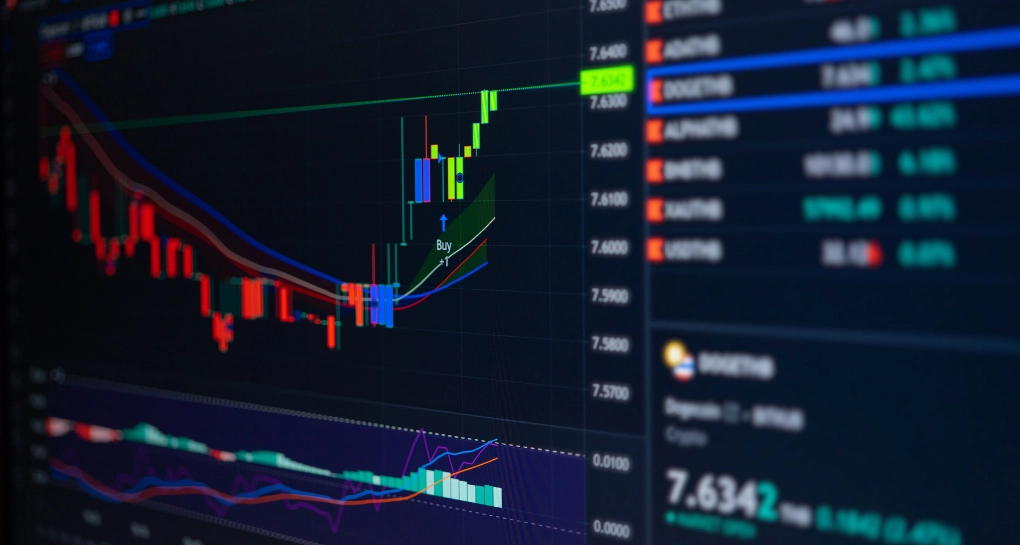
Day trading USD/ZAR can be exciting but challenging due to its high volatility. Whether you’re day trading for beginners or an experienced trader, understanding the factors that drive USD/ZAR and using the right strategies is key to managing risk and making profits.
With FXPrimus, traders get fast execution, advanced charting tools, and a secure environment, making it easier to trade USD/ZAR confidently.
USD/ZAR: What You Need to Know
The USD/ZAR pair measures how many South African rand (ZAR) you need to buy one U.S. dollar (USD). It’s popular for day trading because it can move quickly within the trading day, offering multiple opportunities for short-term traders.
Why USD/ZAR Is Popular for Day Traders
USD/ZAR attracts traders due to its strong intraday swings and high volatility. This makes it possible to capture profitable moves in both trending and sideways markets.
Understanding USD/ZAR Liquidity
As an emerging-market pair, USD/ZAR has lower liquidity than major pairs. This can lead to wider spreads but also stronger moves, especially during South African and U.S. trading hours.
Key Factors Affecting USD/ZAR
- South African economic data – Inflation, GDP, and employment reports influence ZAR strength.
- U.S. economic indicators – Federal Reserve decisions, GDP, and employment figures impact USD.
- Commodity prices – Gold, platinum, and other mineral trends can push ZAR higher or lower.
- Global risk sentiment – When investors seek safety, USD tends to rise, while risk-on sentiment often strengthens ZAR.
USD/ZAR Trading Strategies
Successful day trading USD/ZAR combines technical and fundamental approaches. Here are proven strategies:
Trend-Following
- Identify the dominant trend on higher timeframes.
- Enter trades on pullbacks instead of chasing breakouts.
- Use moving averages, trendlines, or MACD for guidance.
Breakout Trading
- Watch for clear support and resistance levels.
- Enter trades after volume-confirmed breakouts.
- Apply trailing stops to lock in profits.
Range Trading
- Identify periods when USD/ZAR moves sideways.
- Buy near support and sell near resistance.
- Confirm reversals with RSI or Stochastic indicators.
Using Indicators for Day Trading
Technical indicators like Bollinger Bands, RSI, and MACD help traders time entries and exits, manage risk, and confirm market trends.
Scalping vs. Short-Term Swing Trading
Day traders can choose very short trades (scalping) or slightly longer intraday positions (short-term swings), depending on market conditions and personal trading style.
Stop-Loss and Take-Profit Techniques
Use stop-losses to protect against sudden swings and set realistic take-profit levels to secure gains. Proper risk management is essential for all USD/ZAR day trades.
How News and Monetary Policy Affect USD/ZAR Traders
USD/ZAR is highly sensitive to news, central bank decisions, and commodity trends.
Trading During High-Impact News
Major announcements like U.S. jobs reports or South African interest rate decisions can cause sharp intraday moves. Many day traders plan trades around these events or avoid entering the market until volatility stabilizes.
Impact of Commodity Prices on ZAR
South Africa is a major exporter of gold and minerals. Rising gold prices usually strengthen ZAR, while declines can weaken it. Monitoring commodity markets helps day traders anticipate ZAR moves.
Central Bank Policies Explained
The SARB and Federal Reserve have a direct effect on USD/ZAR. Interest rate changes or statements about monetary policy can trigger strong trends or sudden reversals.